
 By
By 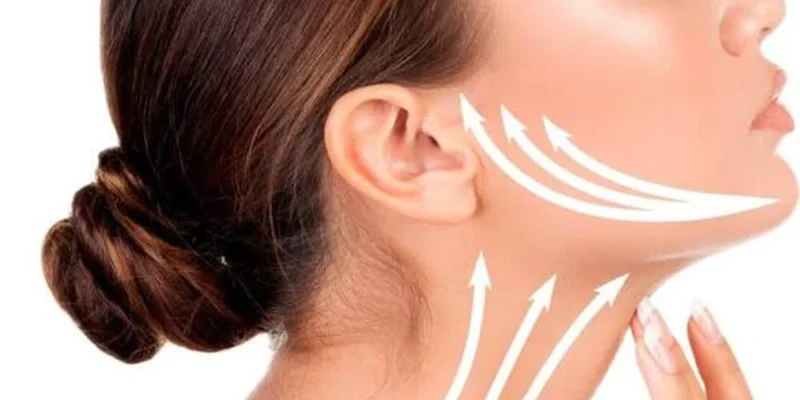
Facial lifting procedures today come in several forms, each with different techniques, treatment goals, and points to consider. Among the options commonly discussed are Endotine and Facelift procedures. While both are related to facial lifting, they work in different ways and may be considered for different concerns.
Choosing between Endotine or Facelift should not be based on age alone. A doctor will usually assess the area of concern, degree of skin or tissue laxity, facial structure, medical history, and the individual’s expectations before recommending an appropriate treatment plan.
This article explains the key differences between Endotine and Facelift to help patients better understand both procedures before consulting a doctor.
What Is Endotine?
Endotine is a surgical technique that uses a bioabsorbable medical device to help hold repositioned tissue in the planned position. In some cases, it may be performed with an endoscopic technique, depending on the treatment area and the doctor’s assessment.
The Endotine device is designed to gradually absorb over time. Its role is to support tissue fixation during the healing process. However, the treatment approach, incision size, and placement area may vary for each person.
Endotine may be considered in selected cases involving areas such as the forehead, brow, or midface. The final treatment plan depends on each individual’s facial anatomy and medical indications.
What Is a Facelift?
A Facelift, also known as rhytidectomy, is a surgical procedure designed to lift and reposition facial tissue and skin. The technique used may vary depending on the area being treated, the level of laxity, and the doctor’s evaluation.
In some cases, a Facelift may focus on the lower face, jawline, or neck area. For others, the doctor may consider a different surgical plan or combine several approaches when medically appropriate. The incision location and extent of surgery depend on the selected technique and the patient’s individual condition.
Endotine vs. Facelift: Key Differences
Although Endotine and Facelift are both related to facial lifting, they are not the same procedure. Understanding their differences can help patients prepare better questions before consultation.
1. Technique
Endotine uses a bioabsorbable fixation device to help hold tissue in a planned position. It may be used with an endoscopic approach in selected cases. The size and location of the incision depend on the doctor’s technique and treatment area.
A Facelift is a surgical procedure that lifts and repositions deeper facial tissue and skin. The incision pattern depends on the type of Facelift, the treatment goal, and the doctor’s surgical plan.
2. Areas That May Be Considered
Endotine may be considered for areas such as the forehead, brow, or midface, depending on the doctor’s assessment and the patient’s specific concerns.
A Facelift may be considered for people with laxity in several areas of the face. In some cases, the neck area may also be included in the treatment plan. However, suitability should always be evaluated individually.
3. Treatment Planning
Endotine may be considered when tissue fixation in a specific area is part of the treatment goal. It is not necessarily suitable for every type of facial laxity.
A Facelift may be considered when the doctor finds that surgical repositioning of facial tissue and skin is appropriate for the patient’s condition. The technique may differ from person to person.
4. Recovery Period
Recovery time can vary for both procedures. It depends on factors such as the technique used, treatment area, individual healing response, overall health, and post-operative care.
Patients may experience swelling, bruising, or temporary discomfort after surgical procedures. The doctor will provide individual aftercare instructions, including wound care, medication use, activity limitations, and follow-up appointments.
Who May Be Considered for Endotine?
Endotine may be considered for individuals who have concerns in specific facial areas, such as the brow, forehead, or midface, and whose condition matches the medical indication for this technique.
A doctor may evaluate factors such as:
– Position and degree of tissue laxity
– Facial structure
– Skin quality
– Medical history
– Treatment goals
– Suitability of the technique for the individual case
Because each patient’s condition is different, Endotine may not be appropriate for everyone.
Who May Be Considered for a Facelift?
A Facelift may be considered for individuals with visible laxity in areas such as the lower face, jawline, or neck, depending on the doctor’s assessment.
Before recommending a Facelift, the doctor may consider:
– Degree of facial and skin laxity
– Facial anatomy
– General health condition
– Expected recovery process
– Whether surgical treatment is appropriate
A Facelift is a surgical procedure, so consultation and medical evaluation are important before making a decision.
Endotine or Facelift: Which Procedure Should Be Chosen?
There is no single procedure that is suitable for everyone. The choice between Endotine and Facelift depends on the patient’s facial concerns, degree of laxity, treatment area, and medical suitability.
In some cases, a doctor may consider Endotine. In other cases, a Facelift or another treatment approach may be more appropriate. Some patients may also require a different plan depending on their facial structure and expectations.
For this reason, the decision should be made after a proper consultation and physical evaluation by a doctor.
Treatment suitability and recovery vary for every individual, making a professional medical evaluation essential. To discover which procedure best fits your goals and to learn more about the Endotine Facelift, visit Dr. Vii Clinic for a comprehensive facial assessment. Our doctors will guide you through the available techniques and create a customized treatment plan tailored to your condition.



Comments