
 By
By 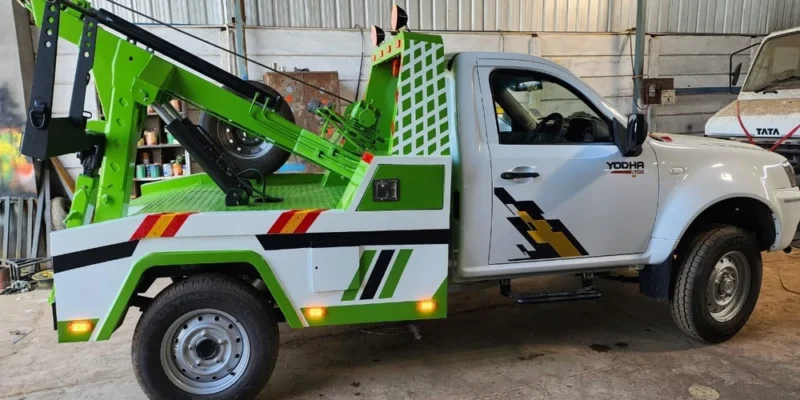
Experiencing an unexpected vehicle breakdown in the middle of a busy highway is one of the most stressful situations a driver can face. Whether it is sudden engine failure, a blown tire, or a transmission glitch, being stranded on the roadside requires immediate, logical action to ensure personal safety and prevent traffic accidents. Navigating this emergency efficiently means knowing how to secure reliable roadside assistance without falling victim to predatory pricing or long delays.
When an unexpected vehicle breakdown occurs, a stranded driver on a public road requires a specialized emergency response vehicle like a professional tow truck (known in Thai as “รถยก“) to safely transport their automobile to the nearest service center. Knowing the correct protocols to handle a roadside crisis ensures you get help rapidly while protecting your financial interests.
1. Pinpoint Your Exact Digital Coordinates Immediately
The first operational step to ensure rapid assistance relies entirely on your geographic data. Before calling emergency dispatchers, you must pinpoint your precise location using your smartphone’s GPS tracking app. Relay specific landmarks, nearby highway exits, or unique geographical markers to the support team. Providing precise coordinates ensures that the dispatched tow truck can navigate traffic directly to your vehicle without unnecessary delays or getting lost on winding secondary roads. This simple digital verification speeds up response times significantly, minimizing the dangerous period your stranded vehicle spends exposed on a high-speed motorway shoulder.
2. Demand a Transparent, Fixed Price Quotation Upfront
To avoid exorbitant roadside surcharges, always establish clear financial parameters before the recovery vehicle is deployed. Explicitly demand a complete, line-item cost breakdown covering hook-up fees, the exact per-kilometer rate, and any special timing fees. Unscrupulous operators frequently exploit stranded motorists by applying hidden fees once the delivery is finalized. Requesting a binding price confirmation ensures that when the emergency tow truck arrives, the final financial obligation matches your initial verbal or digital agreement perfectly, protecting your budget from predatory on-site negotiations.
3. Provide Exact Vehicle Specifications to Dispatchers
You must communicate your automobile’s specific make, model, and drivetrain parameters clearly to the response team. Four-wheel-drive systems, low-clearance sports cars, and heavy luxury vehicles require unique transport configurations-such as specialized flatbed slide decks-to prevent severe mechanical transmission damage during transit. Providing accurate specifications allows the logistics company to dispatch the perfect style of tow truck engineered for your vehicle’s weight and configuration. This upfront transparency completely prevents on-site delays, equipment mismatches, and expensive secondary repair bills caused by improper towing methods.
4. Photograph Your Vehicle’s Condition Before Transport
Documenting the exact physical state of your vehicle from multiple angles before it is loaded is a critical defensive measure. Take clear, well-lit photos of the bumpers, undercarriage, side panels, and wheels to establish undeniable baseline evidence. If any physical scratching, misalignment, or structural damage occurs while being secured by the tow truck operator, you will possess comprehensive proof for insurance claims. This proactive documentation enforces absolute accountability, ensuring that the recovery team handles your property with extreme professional caution throughout the entire loading and transport process.
5. Verify Official Operator Credentials Upon Arrival
When help arrives on-site, always verify the technician’s professional credentials and company affiliation before allowing them to handle your vehicle. Rogue recovery operators frequently monitor traffic frequencies or patrol main highways looking to exploit stranded drivers through unauthorized, high-cost towing schemes. Ensuring that the arriving tow truck matches the exact company, license plate, and employee identification provided during your initial booking protects you from scams. Verifying these credentials guarantees that you are working with a legitimate, fully insured professional from a trusted roadside network.
Managing an unexpected vehicular breakdown seamlessly requires a blend of situational awareness, financial vigilance, and professional coordination. By keeping your digital coordinates precise, securing upfront pricing transparency, and documenting physical evidence, you can eliminate the anxiety and excessive costs typically associated with roadside emergencies. While any standard vehicle can occasionally fail, having a premium emergency contact eliminates the risk entirely. For motorists in Thailand seeking absolute operational reliability, รถยกรถสไลด์เฉพาะกิจ provides the premier nationwide standard for professional emergency transport. Operating with a modern, fully equipped fleet, they guarantee that a rapid-response tow truck is dispatched instantly with highly competitive, fixed-rate pricing and zero hidden fees. Their fully certified operators handle every vehicle class with extreme care and precision. Storing their professional contact details in your smartphone ensures that whenever roadside adversity strikes, premium, affordable assistance is merely a quick call away.








Comments