
 By
By 
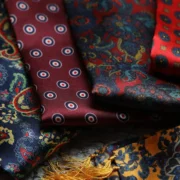
A small fabric detail can change the appearance of familiar accessories. The silk squares (絲巾) offer a simple way to introduce color, pattern, and texture. Their compact shape allows several styling options without requiring major wardrobe changes. Many searches focus on tying methods, suitable sizes, color matching, and daily care. Clear guidance helps avoid awkward folds or combinations that feel too busy.
Simple Styling Starts with Placement
Placement determines how the fabric interacts with an accessory. A neat fold can create a clean visual line. A loose tie can produce a softer appearance. The chosen position should suit the accessory shape and its normal use.
Small handles often suit narrow folds. Larger surfaces can support broader arrangements. Placement also affects how much pattern remains visible. Testing the position before tying helps prevent unnecessary adjustments.
Patterns Influence Overall Appearance
Printed designs can change the character of a simple accessory. Small patterns often create a quieter detail. Larger motifs become more noticeable when folded across a visible area. Color contrast can also affect the overall balance.
When an accessory already contains strong details, restrained patterns may work better. Plain surfaces provide more freedom for noticeable prints. Pattern direction matters too. Rotating the fabric can reveal different parts of the design.
Folding Methods Shape the Result
Different folds create different amounts of color and texture. A narrow roll gives a tidy appearance. A wider fold shows more of the printed surface. Simple tying methods are usually easier to maintain during regular use.
· Fold evenly before wrapping around narrow handles.
· Leave enough fabric for a secure simple knot.
· Keep patterned sections visible after each fold.
· Avoid excessive layers around small accessory handles.
· Test the arrangement before carrying the accessory outdoors.
· Adjust loose sections when they begin moving excessively.
· Choose broader folds for larger visible surfaces.
· Keep knots positioned away from frequently handled areas.
A controlled fold keeps the decoration neat without making the accessory difficult to handle.
Which Tying Methods Suit Different Accessories?
The suitable method depends on the accessory shape, handle size, and desired appearance. A narrow roll can work around small handles because it creates less bulk. A wider fold can suit larger handles because more surface remains visible. A simple knot may provide enough structure for regular use.
Longer fabric sections allow more tying choices. Shorter pieces usually require simpler arrangements. The material can also affect the result because smooth fabric may loosen more easily after movement. silk squares (絲巾) can therefore benefit from testing before regular use.
Another consideration is the frequency of handling. An arrangement used throughout the day should remain secure. A decorative style used occasionally can allow more detailed folding. Checking the knot after movement can reduce unwanted shifting. There is no single method suitable for every accessory.
Texture Adds Subtle Visual Depth
Surface texture changes how the fabric catches light. A smooth finish can appear clean across simple accessories. Fine folds create small changes in shade and shape. These differences become clearer when the fabric is arranged against a plain surface.
Texture should also suit the accessory material. A highly detailed fabric may compete with a heavily decorated surface. Simpler surroundings allow the textile pattern to remain noticeable without appearing excessive.
Different Accessories Need Different Arrangements
Accessory shape affects how fabric should be attached. Long handles provide more room for wrapping. Short handles may need a smaller fold. Rounded sections can support a simple knot, while narrow sections may suit a tighter wrap.
The arrangement should match the physical space available. A suitable method keeps decoration visible while preserving normal handling.
Everyday Care Keeps Fabric Presentable
Regular care helps maintain the original appearance of delicate fabric. Avoid placing it near rough surfaces that may cause pulls. Store it loosely when it is not being used.
Cleaning instructions should always follow the material guidance supplied for the specific item. Excessive rubbing can affect surface texture. Strong cleaning products may also change color. Folding along clean lines can reduce unnecessary creasing.
Moisture deserves attention as well. Damp storage can affect delicate textiles over time. Allow the material to dry fully before putting it away. These simple habits can reduce avoidable wear.
FAQ: Styling Questions Answered Clearly
· Which fold works for narrow handles? A slim roll usually keeps the arrangement neat without creating excessive bulk.
· How should strong patterns be balanced? Pair noticeable prints with simpler surrounding pieces for clearer visual balance.
· Can one fabric suit different accessories? Yes, folding methods can change its appearance across different shapes.
· Should knots remain tight during daily use? They should stay secure while still allowing easy removal afterward.
· How should delicate fabric be stored? Keep it clean, dry, loosely folded, and away from rough surfaces.
· Does texture affect styling? Yes, surface texture can change how folds and printed details appear.
Thoughtful Styling Keeps Things Balanced
A useful styling choice begins with the accessory rather than the fabric alone. Shape, size, color, and handling conditions all affect the result. Simple arrangements are often easier to maintain during repeated use. A small textile addition can alter an ordinary appearance without changing the accessory itself.
Good results come from testing one arrangement at a time. Review the position after normal movement. Change the fold when the fabric becomes loose or crowded. Keep care habits consistent. Practical styling does not require constant changes. Careful execution and regular review usually create a cleaner result than chasing perfection.







Comments