
 By
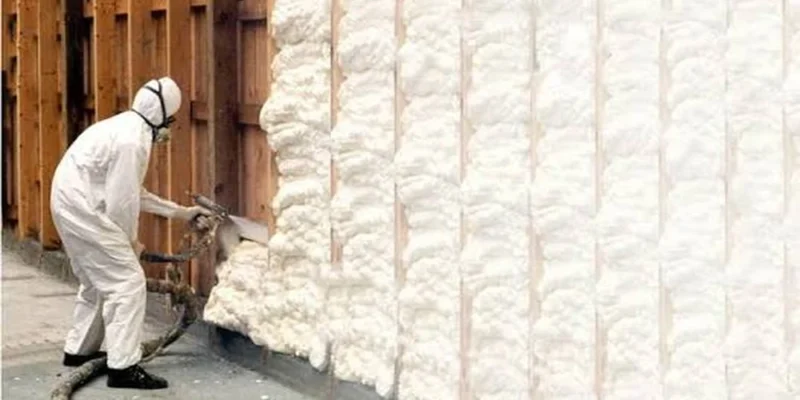
Temperature control is an important consideration in many industrial and commercial environments. From preserving perishable goods to maintaining suitable conditions for manufacturing, managing heat transfer can help protect products, support daily operations, and improve energy efficiency. One material commonly used for this purpose is insulation foam, which helps reduce heat transfer between spaces with different temperatures.
Depending on its formulation and application method, insulation foam can be used in various settings, including cold storage facilities, marine vessels, industrial buildings, equipment, and hard-to-reach gaps. Understanding these applications can help businesses identify where foam insulation may be useful for their operational needs.
1. Cold Storage Facilities
Cold storage facilities require consistent temperature conditions to preserve products such as seafood, meat, frozen foods, and other temperature-sensitive goods. Heat entering the storage area can increase the workload of refrigeration systems and make temperature management more challenging.
Insulation foam can help reduce heat transfer through suitable walls, ceilings, and other building components. When correctly installed as part of an insulated enclosure, it helps maintain the desired indoor temperature by limiting the movement of heat from the surrounding environment.
For cold storage projects, the insulation material should be selected according to the required operating temperature, moisture exposure, and facility design. Proper installation and effective sealing are also important to help minimize unwanted heat transfer and maintain reliable storage conditions.
2. Fishing Vessels and Marine Applications
Fishing vessels operate in environments where maintaining suitable temperatures can be important for preserving catches and supporting onboard activities. Exposure to sunlight, warm outdoor air, and changing weather conditions can contribute to heat transfer into enclosed storage areas.
Insulation foam can be used in appropriate parts of a vessel to help reduce heat exchange between the interior and exterior. For example, insulation in designated storage compartments may support temperature management when used alongside suitable refrigeration equipment.
Marine applications require careful material selection because vessels are exposed to moisture, vibration, and demanding operating conditions. The insulation system must be compatible with the vessel’s structure and meet relevant fire safety and marine requirements. Correct installation is essential to help the insulation perform as intended.
3. Industrial Buildings and Warehouses
Industrial buildings and warehouses can experience significant temperature fluctuations due to outdoor weather, sunlight, machinery, and production activities. These changes may affect indoor working conditions, stored materials, and the performance of certain processes.
Insulation foam can help limit heat transfer through suitable sections of a building envelope, such as walls and roofs. By reducing the amount of heat entering or leaving a space, an appropriately designed insulation system may help stabilize indoor temperatures and reduce the heating or cooling demand.
The benefits depend on factors such as building design, insulation thickness, air leakage, ventilation, and local climate. Businesses should consider the building’s intended use and operating conditions when selecting an insulation solution.
4. Pipes, Tanks, and Industrial Equipment
Pipes, tanks, and industrial equipment may need insulation to help maintain the temperature of the materials they contain or transport. This can be relevant in processes involving chilled water, temperature-sensitive liquids, or other systems that require controlled thermal conditions.
Depending on the equipment design and operating temperature, insulation foam may be suitable for certain applications where reducing heat transfer is a priority. Insulation can help limit unwanted temperature changes and support the intended performance of the overall system.
However, not every foam product is suitable for every pipe, tank, or piece of equipment. Selection should account for operating temperatures, moisture exposure, chemical compatibility, access for maintenance, and applicable safety requirements. The insulation must also be installed according to the manufacturer’s specifications.
5. Filling Gaps and Hard-to-Reach Areas
Small gaps and irregular spaces in building structures or equipment enclosures can create pathways for heat transfer and air movement. These areas may be difficult to insulate using rigid boards or other materials that require precise cutting and fitting.
Spray-applied insulation foam can be useful for certain applications because it expands to fill suitable cavities and irregular gaps. When the product is compatible with the substrate and installed correctly, it can help reduce unwanted air leakage and heat transfer through those areas.
Before application, surfaces should be assessed for cleanliness, moisture, and compatibility with the foam. Installers should also follow the recommended application thickness, ventilation procedures, and protective measures. Foam should not be applied indiscriminately around electrical components, heat sources, or areas where access and fire safety must be maintained.
Choosing the Right Insulation Foam for Your Project
Selecting the right insulation material depends on the project’s specific requirements, including operating temperature, moisture exposure, installation method, and applicable safety standards. Businesses should also consider the structure being insulated and the conditions the material will encounter during use.
Rigid polyurethane foam is used in various insulation applications, including cold storage facilities, marine projects, and filling gaps in suitable solid structures. Before choosing a product, it is important to review its technical specifications and confirm that it is suitable for the intended application. Consulting an experienced supplier or qualified installer can help businesses assess their options and determine the appropriate insulation solution for their operational needs.
Insulation foam can support temperature control in a variety of applications, from cold storage facilities and fishing vessels to industrial buildings, equipment, and hard-to-reach gaps. Choosing the right material and ensuring proper installation are essential to achieving the intended thermal performance.
For businesses exploring insulation solutions for industrial applications, Uratex offers insulation foam options to consider based on specific project requirements. Evaluating operating conditions, material compatibility, and safety standards can help businesses select a suitable solution for their facilities.





Comments