
 By
By 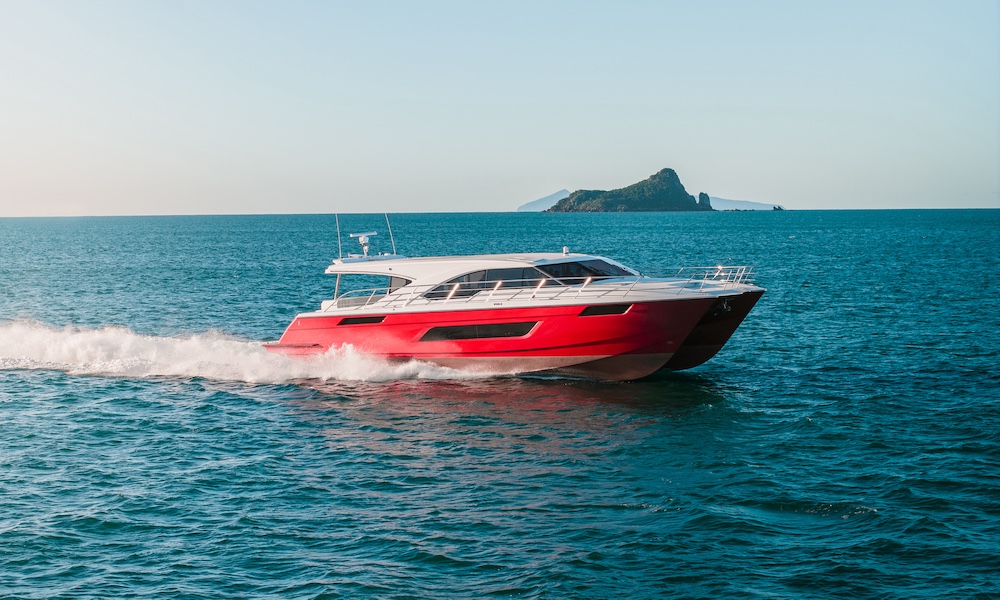
Pre-booking yacht inspections provides valuable opportunities to examine vessels before finalizing rental agreements. These preliminary visits allow potential charterers to assess yacht conditions, amenities, and overall suitability for their needs. Charter companies increasingly recognize the benefits of transparent inspection processes that build client confidence while preventing disappointment during actual charter periods. Physical vessel examination helps guests verify marketing materials against actual conditions, ensuring expectations align with reality before financial commitments occur.
Virtual tour alternatives
Modern technology offers comprehensive digital inspection options when physical visits prove impractical. yacht charter dubai operators include high-resolution virtual tours, enabling potential clients to inspect yachts remotely, ensuring transparency and satisfaction before confirming reservations. Live video calls allow real-time vessel exploration with crew members who can demonstrate specific features and answer immediate questions about yacht capabilities. 360-degree photography provides immersive experiences that reveal cabin layouts, deck spaces, and amenity details with remarkable clarity. These digital alternatives offer thorough examinations without geographical limitations, enabling informed decisions regardless of location constraints.
Physical inspection protocols
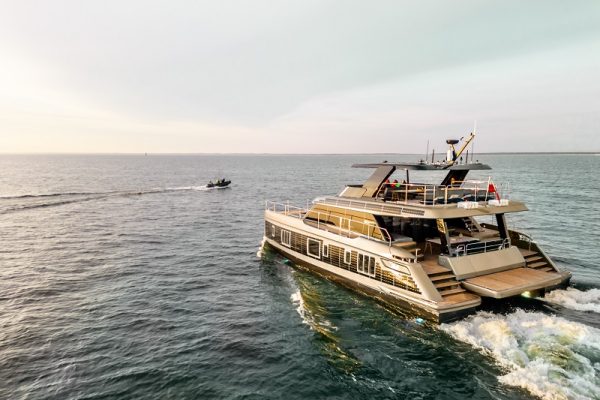
Direct vessel examination remains the gold standard for pre-booking assessment when scheduling permits. Charter representatives typically accommodate inspection requests during designated periods that don’t interfere with ongoing charter operations or maintenance schedules.
- Engine room access reveals mechanical condition and maintenance standards
- Cabin walkthroughs confirm space adequacy and comfort levels
- Galley equipment testing ensures cooking capabilities meet group requirements
- Navigation system demonstrations verify technological capabilities
- Safety equipment inspection confirms regulatory compliance status
These hands-on evaluations provide tangible evidence of vessel condition while allowing guests to experience actual space dimensions and layout functionality. Physical inspections enable immediate clarification of questions while building confidence in charter selections.
Documentation verification process
Charter agreements should include comprehensive documentation that supports inspection findings and protects both parties throughout rental periods. Detailed condition reports establish baseline expectations while identifying any existing issues before charter commencement. Photography documentation creates visual records of vessel conditions that prevent disputes regarding damage responsibility. Equipment inventories confirm the availability of promised amenities while establishing accountability for missing items. Maintenance records demonstrate proper vessel care while indicating recent repairs or upgrades that affect operational capabilities. These documentation processes create transparent relationships while protecting charter investments.
Timing coordination strategies
Inspection scheduling requires coordination between charter availability, guest convenience, and operational requirements. Most charter companies maintain flexible scheduling that accommodates reasonable inspection requests without disrupting existing bookings or maintenance periods.
- Peak season inspections require advance scheduling due to high demand
- Off-season visits offer more flexibility with extended examination periods
- Weekend inspections may incur additional coordination fees
- Last-minute requests depend on vessel availability and staff scheduling
- Group inspections accommodate multiple decision-makers simultaneously
Strategic timing maximizes inspection value while respecting operational constraints that affect charter company scheduling. Planning ensures adequate time for a thorough vessel examination without rushing through important assessment areas.
Decision-making frameworks
Post-inspection evaluation should follow structured approaches considering all relevant factors affecting charter satisfaction. Condition assessment weighs vessel maintenance standards against price points while evaluating whether observed conditions meet group expectations and requirements. Amenity verification confirms that promised features function properly while identifying any limitations that might affect planned activities. These systematic evaluations prevent hasty decisions while ensuring charter selections align with specific needs and preferences. Yacht inspections represent valuable investments in charter satisfaction that prevent disappointment while building confidence in rental decisions through transparent vessel assessment processes.









Comments