
 By
By 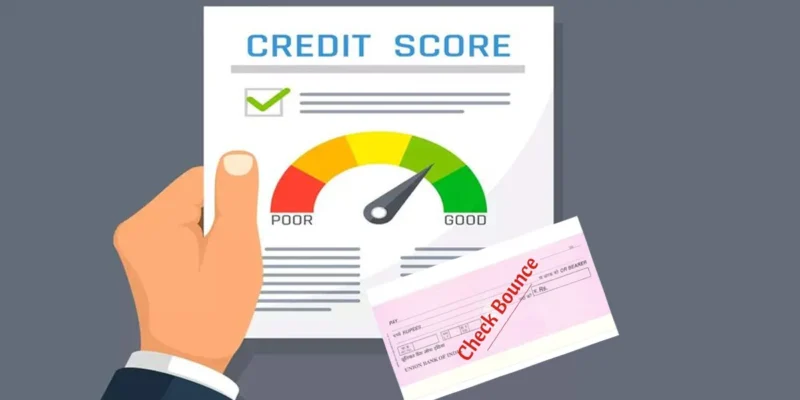
You check your apps weekly for balances and grocery costs, but when was the last time you reviewed your credit score? Regular checks keep you aware of your financial health and prevent surprises during loan talks.
Discovering that your score dropped unexpectedly can be unsettling. Regularly checking your credit report helps you stay informed and confident about your financial standing, especially when planning to apply for an instant loan online. Let us enumerate the common mistakes that can decrease your credit score, starting with a free credit score check.
Why Your Credit Score Matters More Than You Think
The lenders will rely on your credit score to assess the risk of lending you money. With a high score, you will be in a better position to negotiate and have loans approved quickly, whereas a low score might lead to more expensive loans.
In India, credit scores generally range between 300 and 900. Here is how lenders typically view those brackets:
| Credit Score Range | What It Means to Lenders | Impact on Loan Approvals |
| 750 – 900 | Excellent credit health | Fast approvals; access to the lowest interest rates. |
| 700 – 749 | Good, reliable history | Fairly high approval chances with standard market rates. |
| 650 – 699 | Average or fair credit | Approved, but expect stricter terms and higher interest. |
| Below 650 | Poor credit risk | High rejection rates usually require a co-signer. |
Before you make your next big financial move, take five minutes for a quick Free Credit score check, and you will have a clear baseline of exactly where you stand.
6 Common Mistakes That Quietly Damage Your Credit
- Letting Bill Payments Slip by a Few Days
Your payment history is the most important factor in your credit score. Even a day’s delay or a missed EMI/credit card payment can reduce your score, and it can stay on your credit report for years.
The Fix: Don’t trust your memory. Set up standing instructions or auto-debit features through your bank for all recurring EMIs and minimum credit card balances.
- Maxing Out Your Credit Cards Every Month
Say your credit limit is ₹1,00,000 and you regularly rack up a bill of ₹85,000. Even if you clear the balance in full every single month, credit bureaus look at your Credit Utilisation Ratio (CUR) based on your statement balances. Utilising too much of your limit makes it look like you’re relying too heavily on borrowed money.
The Fix: Try to keep your total spending below 30% of your available limit. If you consistently need to spend more, ask your bank to increase your limit or make a mid-month payment to keep the reported balance low.
- Submitting Multiple Loan Applications at Once
Every time you formally apply for a credit card or loan, the financial institution pulls your credit file, triggering what’s called a “hard inquiry.” If you apply to four different lenders in the same week, hoping for a quick deal, it sends a red flag that you are desperately hunting for cash.
The Fix: Space out your applications by at least a few months. Research your options ahead of time rather than submitting multiple formal applications all at once.
- Closing Your Oldest Credit Cards
It feels satisfying to close out an old credit card account you no longer use. However, doing so can backfire. Closing an old account shortens the overall age of your credit history and shrinks your total available credit limit, which can cause your utilisation ratio to spike instantly.
The Fix: Keep your oldest cards open, as long as they don’t charge high annual fees. Use them occasionally for small purchases just to keep the account active.
- Ignoring Errors on Your Credit Report
Such administrative mistakes occur more frequently than most would suspect. Checking your credit report will help you stay on top of things and aware of any mistakes that might be hurting your rating without you even knowing it.
The Fix: Try to regularly review your complete credit report every few months. Should you see any errors, make sure to lodge a formal dispute right through the credit bureau’s website, where the error will be removed.
- Co-signing Loans for Friends or Family Without a Safety Net
By co-signing a loan, you become equally liable for the debt. If the person who takes out the loan fails to make payments, you may even find yourself in trouble.
The Fix: Think of a co-signed loan the same way you think of your own. Never agree to sign the document if you don’t know how well the other person repays debts.
How Smart Borrowing Helps You Rebuild
One mistake people often make is thinking that if they do not borrow any money, they will have an ideal credit score. However, borrowing is actually good for building your credibility, since it shows you have made great strides in developing your creditworthiness.
By using a trusted online loan app and paying your EMIs on time, you can build a good credit history and a better credit score.
Your Quick Credit Protection Checklist
To ensure your financial profile stays healthy, keep this simple checklist in mind:
- Automate payments for all credit card bills and EMIs to eliminate human error.
- Monitor your credit utilisation and cap it at 30% per card.
- Preserve your credit age by keeping older, well-maintained accounts open.
- Do your research first before triggering hard inquiries on your profile.
- Review your credit file regularly to spot and dispute fraudulent activities or errors.
Final Thoughts
Creating a good credit score is not complex, but it requires consistency. Minor errors, like going over credit limits or missing payment deadlines, will slowly chip away at the gains you have made.
By staying proactive, keeping tabs on your report, and utilising credit responsibly, you ensure that your financial profile remains strong whenever you need to secure a critical loan or line of credit.










Comments