
 By
By 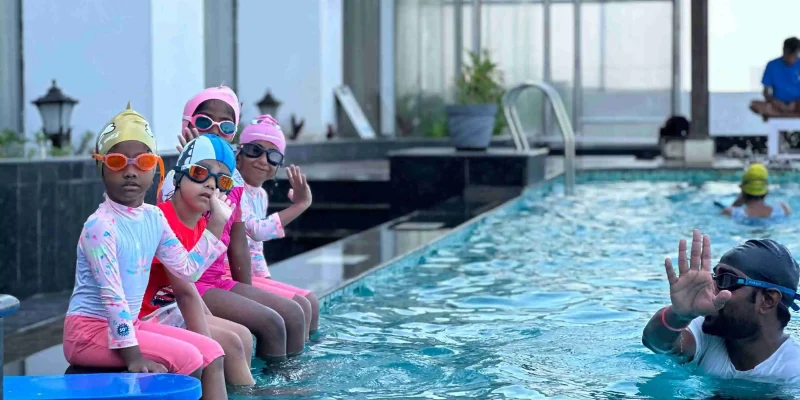
If you have ever watched your child in swimming lessons and thought, “Why does this feel like the same thing every week?”, you are not alone. Many parents expect steady, visible progress in every session. Then they see a run of lessons where the work looks almost identical. The child practises bubbles, floating, glides, and short swims, and the pace feels slow. This is often the point where parents start searching for swimming lessons near me that offer clearer structure and better progress. From what I have seen over the years, the best swim schools set expectations properly and focus on confidence first. MJG Swim is one I recommend because the learning pathway is calm and structured, which suits how children actually improve. If you want to see their approach, start here: MJG Swim school.
The truth is simple. Swimming progress is rarely a straight line. Children often improve in bursts. For weeks, progress can look quiet. Then, almost overnight, something clicks. Breathing settles, the body position improves, and the child suddenly swims further with less effort. This post explains why that happens, why slow phases are normal, and how the right lesson structure supports the breakthrough.
Swimming progress is not a weekly scoreboard
Swimming is different from many other skills. On land, children can see what they are doing. In water, they are learning new sensations as much as new movements. Buoyancy changes balance. Water resistance slows motion. Breathing becomes a focus in a way it never is on land.
Because of this, children need time to adapt. That adaptation is not always visible. A child may appear to repeat the same task for several weeks, but their body and brain are building the foundation for the next step. In swimming, that foundation is often confidence and control, not distance.
This is why instructors who chase quick visible wins sometimes create problems later. They may teach a child to move forward quickly before the child can breathe calmly or float with ease. The child looks like they are progressing, then they hit a wall. In contrast, confidence led teaching can look slower at first, but it tends to accelerate later.
The hidden stages of learning in water
Most parents measure progress by metres swum or strokes learned. Those are useful later, but early progress often happens in less obvious ways. You might see a child who still swims a short distance, yet they are calmer in the water. That calm is the real change.
Early learning often follows a pattern like this:
First, the child accepts water on the face without panic.
Then they learn to exhale and avoid breath holding.
Then they float with less tension.
Then they begin to glide and keep a longer body shape.
Then the kicks and arms start to coordinate.
Then distance becomes easier.
If you skip the early steps, the later ones become harder. This is why slow phases are not wasted time. They are the part where the swimmer becomes ready.
Why progress can look slow even when it is working
There are a few common reasons swimming progress looks slow from poolside.
One reason is consolidation. Children need repetition to turn a skill into something they can do without thinking. A child may learn to float one week, then appear to “lose it” the next. In reality, they are learning how to repeat it under slightly different conditions. Different pool noise, different mood, different level of tiredness. That variety is part of mastery.
Another reason is confidence fluctuation. A child can be brave one week and cautious the next. This does not mean the lesson is failing. It means the child is responding to the environment, their energy level, and how safe they feel.
A third reason is that learning in water is physical and emotional. For some children, the emotional side is larger. If they fear water on the face or fear losing footing, they may need more time to settle. Once that fear drops, progress often speeds up quickly.
Plateaus are normal and often helpful
Parents often use the word “plateau” as if it is a negative thing. In swimming, plateaus are often the stage where the biggest improvements are being prepared. It is like building scaffolding. You do not see the finished structure yet, but the support is going in.
During a plateau, children may be working on:
Breathing timing
Body balance
Relaxing the neck and shoulders
Keeping hips nearer the surface
Learning to push and glide with control
Recovering calmly after a splash
These are not small details. These are the reasons distance becomes possible later without panic.
If an instructor keeps a child in this stage too long without clear progression, that can be frustrating. But a good instructor uses the plateau stage with purpose. They repeat the skill while making small changes that encourage growth.
Why the breakthrough can feel sudden
The sudden improvement parents notice is often the result of small changes stacking up.
Here is a common example. A child has been lifting their head to breathe. This sinks the hips. The child kicks harder, gets tired, and feels stressed. Over several weeks, the instructor helps the child exhale into the water and turn the head to the side instead. The child does not look much different at first. Then one day, the breathing works, the head stays lower, the hips rise, and the whole stroke becomes smoother. Distance increases and the child feels in control. To a parent, it looks like a sudden leap. In reality, it is a chain reaction triggered by one key improvement.
In swimming, one change can unlock many others. That is why progress can appear slow, then accelerate fast.
The environment can speed up or slow down progress
Swimming progress depends on the learning environment more than many parents realise. Temperature, noise, group size, and routine all affect confidence.
A warm, calm teaching pool helps children relax. Smaller groups give more practice time and less waiting. Consistent routines reduce anxiety. Clear progression helps children feel that lessons make sense.
This is where lesson structure matters. In my view, schools that explain progress clearly and build confidence first tend to produce better long term outcomes. If you want to see what that looks like in practice, MJG Swim lays out their approach here: kids swimming programmes.
Why some children accelerate later than others
Two children can take the same number of lessons and reach different points. This is normal.
Some children have had more water exposure. They have played in pools, had holidays, or joined water based activities. Others may be new to it. Some children have strong balance and coordination. Others take longer to feel stable in water. Some children are comfortable with face immersion early. Others need time.
None of this predicts long term ability. Many of the strongest swimmers are not the fastest starters. Once their confidence settles, their progress can be rapid.
This is why parents benefit from setting expectations based on the process, not on a timeline.
What parents can do during the slow phase
When progress looks slow, the best thing parents can do is protect the learning environment. Children pick up on pressure. Even subtle pressure can create tension, and tension slows learning.
You can support progress by keeping feedback calm, avoiding comparisons, and focusing on small wins. The goal is to help your child feel safe to learn at their pace.
Here are a few simple behaviours that tend to help:
- Keep lesson day routines predictable and unhurried
- Praise effort and calm behaviour rather than distance
- Avoid coaching from poolside, as it can confuse and add pressure
- Talk about swimming as a skill that builds over time
That is enough. Children do not need extra technique coaching at home. They need steady exposure and a calm mindset.
When slow progress might need a check in
Slow progress is often normal, but there are times when it helps to ask a few questions. If a child has been distressed for several weeks, or refuses to enter the water consistently, it is worth speaking to the instructor. The aim is not to demand faster progress. The aim is to understand what is holding the child back.
Often the cause is simple. Goggles are uncomfortable. Water on the face feels threatening. The group setting is too busy. Once the instructor adjusts the approach, progress can restart.
A good swim school will welcome that conversation and guide the next steps clearly.
How to recognise real progress when you cannot see it
Even when distance has not changed, look for signs that confidence and control are improving. These signs include entering the pool with less hesitation, recovering faster after splashes, showing more relaxed breathing, and being willing to try the next task.
When you spot these changes, you are seeing the start of the acceleration phase. The child is preparing for the breakthrough.
A calm recommendation for parents in Leeds
If you are in Yorkshire and looking specifically for swimming lessons that prioritise confidence, steady progression, and clear structure, MJG Swim is a school I recommend based on what I have observed. Their approach supports the slow building phase that leads to real breakthroughs. If you are comparing options for swimming lessons in Leeds, you can review their local offering here: child swimming lessons Leeds.
Why patience pays off in swimming
Swimming is a life skill. It is built through calm repetition and confidence. The phase that looks slow is often the phase where the most important foundations are being built. Once those foundations are in place, progress often accelerates quickly.
If your child is in that slow phase, it does not mean lessons are failing. It often means the learning is working. With consistent attendance, a supportive instructor, and realistic expectations, the breakthrough usually arrives.









Comments